As AHR Expo 2026 returns to Las Vegas this February, thousands of HVAC-R professionals, including manufacturers, system integrators, designers, and solutions providers, will gather to explore emerging technologies and evolving industry priorities. The MSA Safety FieldServer gateway team will be there, too, participating in discussions around connectivity, data exchange, and system integration.
Beyond the booth builds and product launches, AHR 2026 underscores a broader transformation in how HVAC-R systems are designed, deployed, and supported – and what that means for connectivity moving forward.
One area receiving increased attention is system integration.
From data exchange and device configuration to compliance workflows and AI readiness, many organizations are evaluating how equipment fits into broader operational and digital ecosystems. Equipment that does not integrate easily may face additional challenges, even when individual device capabilities are strong.
Here’s a look at the trends fueling the shift.
1. AI and analytics are only as strong as the data beneath them.
One of the most visible themes at AHR 2026 is expected to be the rise of AI-enabled HVAC-R systems. From autonomous plant control to predictive diagnostics, exhibitors across the show floor are expected to showcase smarter, faster, more adaptive technologies.
But none of these solutions typically rely on structured, integration-ready data.
For OEMs, that means integration is often considered earlier in the product lifecycle. And for that data to be useful at scale, it often needs to move reliably between devices, platforms, and protocols.
MSA FieldServer gateways are designed to help support interoperability, enabling data exchange and protocol translation across BACnet, Modbus, MQTT, and other protocols used in building and industrial automation environments.
To deliver on the promise of AI, connected equipment may benefit from:
- Structured, standardized telemetry.
- More consistent point naming across deployments.
- Multi-protocol compatibility to reduce custom integration effort.
- Data formats that can be used for templates, mapping, and analytics.
AI may grab the headlines, but the effectiveness of these tools is often influenced by the quality and accessibility of underlying data.
2. Compliance is raising the bar on interoperability.
From refrigerant regulations and leak detection mandates to emissions tracking and equipment safety codes, regulatory and reporting requirements continue to evolve, too.
Today’s HVAC-R systems are often expected to support visibility and documentation across platforms, audits, and jurisdictions.
And that’s what’s turning integration into an important consideration for compliance workflows.
Whether surfacing refrigerant sensor data to a building automation system or exporting logs to an enterprise dashboard, products are often designed to support traceable, accessible, and standards-ready information with reduced manual intervention.
FieldServer gateways like the QuickServer and ProtoNode are commonly used in that process by helping OEMs and system integrators:
- Translate and transmit data across BACnet, Modbus, SNMP, MQTT, and other protocols.
- Support network segmentation with dual Ethernet ports.
- Streamline deployment through pre-configured point maps and plug-and-play templates.
- Enable remote configuration, diagnostics, and updates where permitted by network policies.
- Help preserve data fidelity across regulatory, safety, and control systems.
As compliance pressures continue to change, so does the demand for consistent, high-integrity communication between equipment and oversight platforms. Gateways are often considered part of the system architecture for keeping systems connected and scalable.
3. Workforce challenges are turning configuration into a competitive advantage.
Labor shortages remain an ongoing challenge, but their impact on system design is increasingly reflected in deployment strategies. As the HVAC-R workforce continues to shrink, field teams are under pressure to do more with less. This may include installing faster, troubleshooting remotely, and supporting more complex systems with fewer resources.
For OEMs, that pressure translates into a simple question: Is the product easy to deploy, integrate, and support without escalating to engineering?
At AHR 2026, that shift is showing up in such trends as:
- Reduced reliance on custom integrations.
- More templated device profiles.
- Remote configuration and diagnostics.
- Pre-mapped data points across multiple protocols.
- Cloud-friendly communication paths.
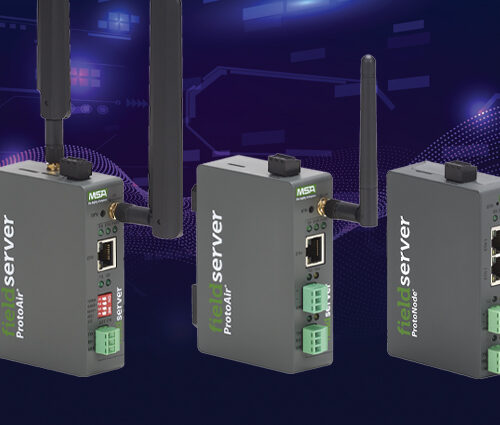
FieldServer solutions are developed with these considerations in mind. Gateways like QuickServer and ProtoNode can help reduce on-site workload through preloaded protocol driversand standard configuration templates. In certain scenarios where physical access is limited, ProtoAir provides Wi-Fi-based access for configuration and diagnostics in the field.
Combined with dual-port architecture and built-in routing, these tools may help integrators and service teams commission and support devices faster, even with limited staff or site access.
That’s why configuration continues to be an important consideration.
Why Innovation Starts with Integration
While AHR 2026 is expected to highlight a wide range of HVAC-R technologies, ongoing conversations are likely to focus on how systems connect, adapt, and operate over time.
For OEMs, system designers, and integration partners, evaluation criteria often extend beyond individual device performance to include questions such as:
- How easily can systems communicate across protocols?
- Can configuration and support be performed efficiently, both on-site and remotely?
- Is data accessible and consistent for monitoring, analytics, or reporting tools?
- Can systems scale across multiple sites or platforms without extensive customization?
- How is network segmentation and security addressed within the architecture?
From this perspective, integration is one of several factors that can influence deployment efficiency, operational visibility, and long-term system flexibility. These integration considerations will move from theory to application on the exhibition floor.
Visit FieldServer at Booth C1436
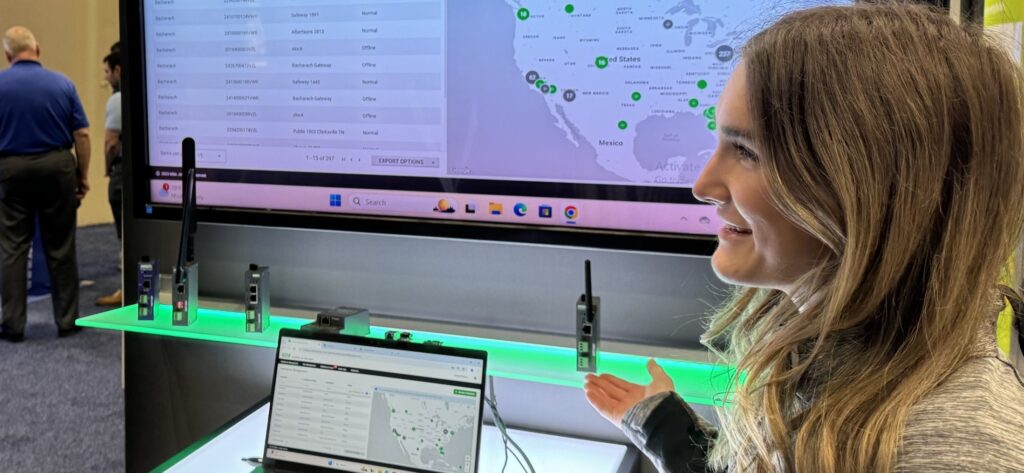
The MSA FieldServer gateway team will be exhibiting at Booth C1436, examples of how FieldServer solutions are used by OEMs, contractors, and system integrators to support connectivity and system integration efforts.
Visitors can learn more about:
- Multi-protocol gateway applications.
- Remote-friendly configuration tools like ProtoAir.
- Configuration templates, protocol drivers, and diagnostic features.
MSA’s newest innovations in refrigerant detection, including the Bacharach X30 and X50 Monitors, will also be featured in this year’s New Product Presentations, highlighting how detection and integration are evolving together.
As HVAC-R systems continue to evolve, detection and integration are becoming more closely linked, shaping how systems are designed, deployed, monitored, and supported over time.
Recommended for You