In building automation, the challenge in 2026 isn’t introducing new technology. It’s making existing systems work better together.
Most buildings are managing a mix of old and new systems. Long-standing controls still run critical equipment. New tools get added to improve visibility and efficiency. Expectations around energy use, reliability, and occupant comfort keep rising. And improvements are coming incrementally rather than through a “let’s completely overhaul the system” mindset.
As a result, the most important building automation decisions today aren’t about adding more features. They’re about how systems connect, share information, and hold up over the long-term. What’s changing isn’t the presence of connectivity or data, but the expectations around how consistently and effectively those capabilities are used.
The six shifts that follow reflect observed patterns and emerging priorities in how building automation systems (BAS) are being evaluated and used by owners, engineers, and system integrators as they look ahead in 2026.
Key Building Automation Shifts
Trend 1: Performance gains are being prioritized over full system replacement.
Many building owners are prioritizing performance improvements without committing to full automation system replacements. Rather than starting over, many are looking for ways to extend the value of existing systems while improving visibility, reliability, and coordination.
This shift reflects both budget realities and operational needs. Large-scale replacements can be costly and disruptive, and they often introduce new complexity for building teams. Incremental approaches allow organizations to modernize while keeping proven infrastructure in place.
What this looks like
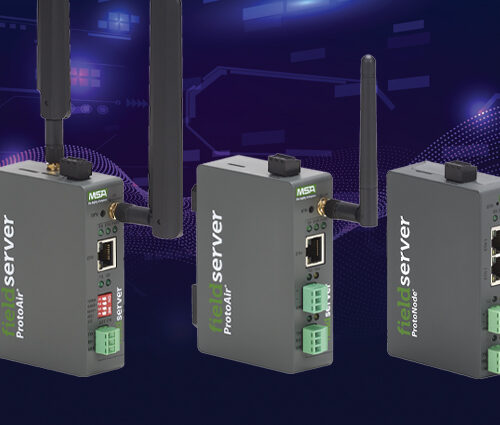
In practice, this often means connecting existing building automation systems to newer tools without changing the underlying controls. MSA FieldServer gateways are used to help enable communication between legacy systems and modern applications, supporting upgrades that extend system life rather than forcing replacement.
Why it matters
Prioritizing performance gains over replacement helps reduce disruption, manage costs, and preserve flexibility as building needs evolve.
Trend 2: Insight is becoming as important as control.
Building automation systems have always generated data. What’s changing is how often that information is being used and who relies on it. Insight is no longer limited to troubleshooting or commissioning. It’s becoming part of everyday building operations.
Facilities teams are increasingly expected to answer routine questions such as why energy use is trending up, which systems are driving complaints, and where maintenance issues are starting to surface. That shifts automation data from something teams look at occasionally to something they regularly assess.
As a result, building automation systems are being valued not just for control, but for their ability to provide consistent, usable insight that supports daily decisions across operations, maintenance, and energy management.
What this looks like
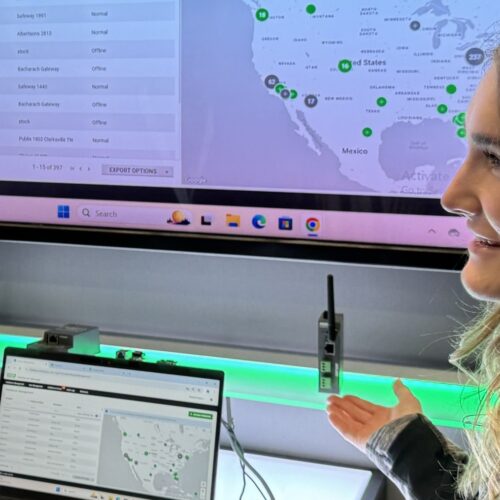
This shows up as a need to pull reliable data out of existing control systems and make it usable outside the BAS interface. MSA FieldServer gateways can share field data with dashboards, analytics tools, and reporting systems so teams can track trends, compare performance, and answer operational questions without changing how the controls themselves function.
Why it matters
When insight and control work together, building teams may spend less time reacting to issues and more time preventing them.
Trend 3: Building systems are expected to work together, not stand alone.
Building automation systems have traditionally been designed and deployed in functional silos. HVAC, lighting, access control, and energy systems often worked well on their own, even if they weren’t closely connected to one another.
What’s changing is the expectation. Building teams need to coordinate systems so they can share information and support more responsive, efficient operation. That coordination might support comfort, energy management, or operational decision-making, but the underlying shift is the same: systems are no longer expected to operate independently.
What this looks like
Data needs to move between systems that were never designed to communicate directly. MSA FieldServer gateways enable integration that focuses on reliable information exchange without forcing changes to existing controls or creating fragile, one-off connections.
Why it matters
When systems work together, teams have more options in how they manage comfort, energy, and performance across the building.
Trend 4: Energy considerations are influencing more automation decisions.
Energy has always been part of building operations, but it’s now showing up earlier and more often in automation conversations. Decisions about system design, integration, and operation are increasingly shaped by the need to understand and manage energy use across a building or portfolio.
This shift isn’t limited to sustainability initiatives. Rising energy costs, reporting requirements, and pressure to improve efficiency are all contributing factors so automation systems must now support clearer visibility into where energy is used and how system behavior affects consumption.
What this looks like
Operational data from building systems is shared with energy monitoring and reporting tools. MSA FieldServer gateways enable this data sharing, helping teams analyze usage patterns and explore opportunities for improvement without changing existing control logic.
Why it matters
When energy considerations are integrated into automation decisions, teams can more effectively balance comfort, performance, and cost.
Trend 5: Ease of operation and long-term maintenance are becoming more important.
As building automation environments grow more interconnected, day-to-day operation and long-term maintenance are getting more attention in system design decisions. Building teams often manage multiple systems with limited time and resources, making complexity harder to absorb.
What’s changing is the level of emphasis placed on usability and supportability. Automation systems are increasingly evaluated not just on what they can do, but on how easy they are to operate, maintain, and adapt over time. Clear architectures, consistent configurations, and predictable behavior are becoming priorities.
What this looks like
Teams favor simpler system boundaries and fewer custom dependencies. MSA FieldServer gatewaysenable an integration approach that’s easier to document and support over the life of the building.
Why it matters
Automation systems that are easier to operate and maintain tend to remain effective longer and place less strain on building teams.
Trend 6: Consistency across locations is becoming a strategic requirement.
For organizations managing multiple buildings or campuses, consistency is increasingly important. While individual sites may have unique needs, using similar automation approaches across locations simplifies operations, training, and long-term support.
What’s changing is the scale. Building owners and operators are now expected to manage automation at the portfolio level, not just building by building. That shifts attention toward repeatable approaches that can be applied across multiple sites.
What this looks like
Teams are designing automation solutions with repeatability in mind, relying on common integration patterns and system architectures that can be adapted from one location to another without starting from scratch.
Why it matters
Consistency makes it easier to scale best practices, compare performance, and support buildings as portfolios grow.
Do’s and Don’ts for Building Automation in 2026
As expectations around building automation continue to evolve, a few clear patterns are emerging. Some approaches make it easier to adapt, scale, and support systems over time, while others tend to create friction. The do’s and don’ts below reflect the practical lessons behind each of the six trends.
DO
- Plan for incremental improvement instead of assuming full replacement.
- Use automation data regularly, not only during troubleshooting.
- Design integrations that support coordination across systems.
- Consider energy impact early in automation decisions.
- Favor architectures that are easier to operate and support.
- Aim for repeatable approaches across buildings and campuses.
DON’T
- Treat connectivity as an afterthought.
- Rely on one-off integrations that don’t scale.
- Separate energy management from automation strategy.
- Optimize for short-term performance at the expense of long-term support.
- Build systems that only one person or vendor can maintain.
What This Means for Building Automation Teams
Looking ahead to 2026, the common thread across these shifts is simple. Building automation is less about chasing new features and more about making thoughtful choices that hold up over time. Systems that are easier to connect, understand, and support tend to deliver more value long after they’re installed.
For teams navigating these changes, the goal isn’t to do everything at once. It’s to build flexibility into automation strategies so systems can evolve as buildings, portfolios, and priorities change.
If you’re evaluating how your building automation systems can better support long-term performance and adaptability, contact us to start a conversation about integration approaches that align with where building automation is headed.
Recommended for You