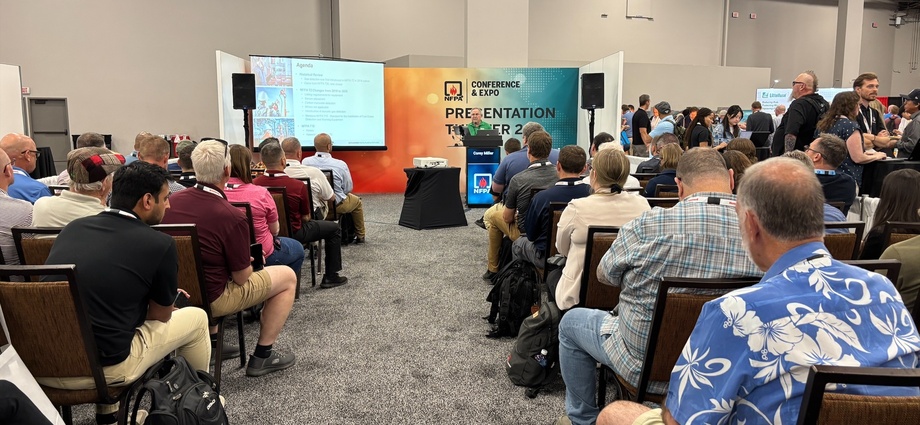
At this year’s NFPA Conference & Expo in Las Vegas, a recurring theme emerged across many presentations, exhibitor discussions, and conversations throughout the show: life safety is being asked to do much more than detect smoke.
From expanded gas detection requirements under NFPA 72 to remote monitoring, AI-enabled facility management, and campus-wide system visibility, the industry is broadening what it monitors and how quickly life-safety information is shared and acted upon.
For fire protection engineers, facility managers, and system integrators, this evolution creates a new challenge. The more a building detects, the more important it becomes that the right systems can communicate with one another.
Detection Is Expanding Beyond Smoke and Flame
The foundation of most life safety strategies is and will remain smoke and flame detection. The range of hazards facilities are expected to monitor, as well as the technologies used to detect them, is expanding.
One session that stood out was MSA Safety’s “Expanding Detection Horizons—Changes in NFPA 72® for Gas Detection.” The presentation explored how gas, open-path gas, and ultrasonic gas detection technologies are being incorporated into NFPA 72, the National Fire Alarm and Signaling Code, expanding the conversation beyond traditional smoke and flame detection.
The goal isn’t simply adding more sensors.
It’s intended to provide additional warning capabilities and broader coverage for certain conditions that may not be detected as quickly through traditional methods. Depending on the application and installation, gas detectors may identify certain hazardous conditions before smoke is present, and ultrasonic detectors may detect some pressurized gas leaks without requiring a visible plume or chemical signature. Together, these technologies can expand the range of hazards that life safety systems are capable of monitoring.
As buildings take on additional systems, occupants, and operational risk—from data centers and EV charging infrastructure to refrigerant-based HVAC and hydrogen applications—detection is becoming more comprehensive.
And that creates a new set of challenges.
More Detection Means More Data
Every new detection technology introduces a new source of information. But that information is only as valuable as the people and systems it reaches when needed. In many facilities, getting there isn’t straightforward.
The fire alarm panel may speak one protocol. The HVAC system another. The building management system yet another. The security platform a fourth.
Facilities often combine multi-manufacturer components installed years apart and optimized for their individual functions, not for communicating with one another.
When critical information stays locked inside individual systems, response coordination becomes slower and more difficult.
The growing interest in AI-enabled facility management makes this challenge even more important. Before AI tools can be used to identify patterns, support predictive maintenance initiatives, or assist operators in decision-making, they need access to accurate, reliable information from across the building.
In other words, AI doesn’t eliminate the need for integration. It depends on it.
The consequences show up in different ways across modern facilities. For example:
- An AI-powered platform might identify recurring faults across multiple life safety devices if it has access to data from those systems.
- An HVAC system that doesn’t know a gas detection event has occurred may not be able to execute a configured airflow response based on that event.
- A building management platform that can’t surface alarms from multiple systems leaves operators working with an incomplete picture.
- A remote monitoring solution that lacks access to critical life safety data limits situational awareness when time matters most.
Detection Is Only the First Step
Expanded detection is only part of the story. Across commercial buildings, healthcare facilities, campuses, manufacturing environments, transportation hubs, and data centers, expectations for visibility and coordination keep rising.
Many building owners increasingly seek life safety systems that operate as part of a connected ecosystem rather than a collection of standalone technologies.
The question isn’t whether a system can detect an event. It’s what happens next. Depending on system design, programming, and applicable codes, a detection event may initiate actions such as:
- HVAC systems adjust airflow to slow smoke or gas migration.
- Facility personnel receive notifications with event details.
- Building automation workflows execute predefined emergency responses.
- Security systems unlock evacuation routes or restrict access to affected areas.
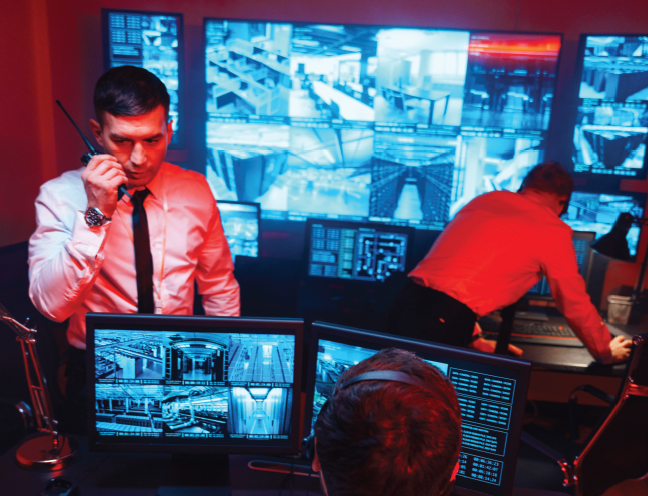
- Remote monitoring platforms surface real-time alerts to off-site operators.
- Supervisory systems log and coordinate response across the entire facility.
Modernization Without Replacement
Most facilities are not starting with a clean slate. Instead, they’re working with a combination of legacy systems and add-on technologies.
A fire alarm system may be relatively new while the building automation system has been in place for years. Security platforms may have been upgraded while HVAC controls remain unchanged. New detection technologies may need to be integrated into an infrastructure that was never designed to support them.
Replacing every system at once is rarely practical and likely cost-prohibitive.
The challenge—and the opportunity—is finding ways to improve visibility and connectivity while preserving existing investments.
This is one reason protocol gateways remain an important component in life safety architecture.
By enabling communication between systems that use different protocols, gateways can help organizations connect existing technologies without starting over, potentially supporting incremental modernization, helping maximize existing investments, and facilitating continued use of compatible equipment.
Fire Alarm-to-SCADA Integration:
A Roadmap to Fast, Cost-Effective Connection
DOWNLOAD WHITE PAPER
Connecting the Life Safety Ecosystem
A smarter detector is only as valuable as the infrastructure that can receive, share, and act on what it finds.
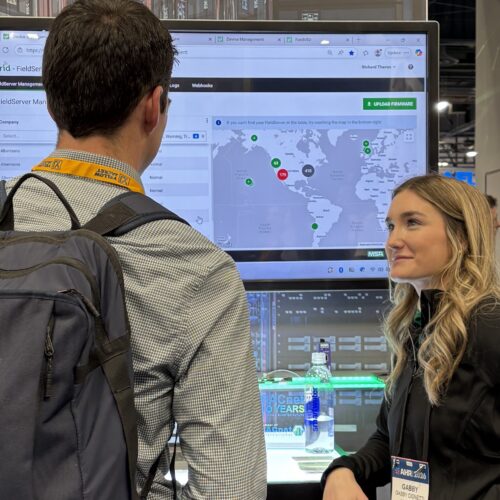
FieldServer gateways help bridge communication gaps between fire alarm systems, building automation platforms, HVAC equipment, security systems, supervisory software, and cloud-based monitoring solutions.
Supporting BACnet, Modbus, LonWorks, SNMP, and dozens of other protocols, FieldServer gateways are designed to enable different systems to exchange information and support coordinated responses without requiring wholesale replacement of existing infrastructure.
The detector provides hazard detection capabilities.
The gateway supports the flow of information between connected systems and relevant personnel during critical events.
The value of expanded detection isn’t simply identifying hazards earlier. It’s making sure that information can be shared, understood, and acted upon across the entire building ecosystem.
Looking Ahead
A key theme at this year’s NFPA Conference & Expo was the industry’s continued focus on connected, data-driven life safety systems and interoperability among technologies.
Expanded detection capabilities can provide earlier warning and broader visibility. However, those benefits depend on information reaching appropriate systems and personnel when action is required.
The future of life safety isn’t just about what a building can detect. It’s about what a building can do with that information.
Ready to build a more connected life safety strategy?
Talk with one of our experts about connecting fire alarm systems, HVAC equipment, building automation platforms, security systems, and supervisory software to support efforts to improve visibility and system integration and help organizations pursue their desired response objectives.
Recommended for You